Tag Aristotle

Reflections, analyses and interpretations on Aristotle’s thought, his philosophy, ethics, politics and timeless influence.

Between the Invisible and the Concrete: The Incarnation and the Pedagogy of the Senses in the Light of Aristotelian Metaphysics
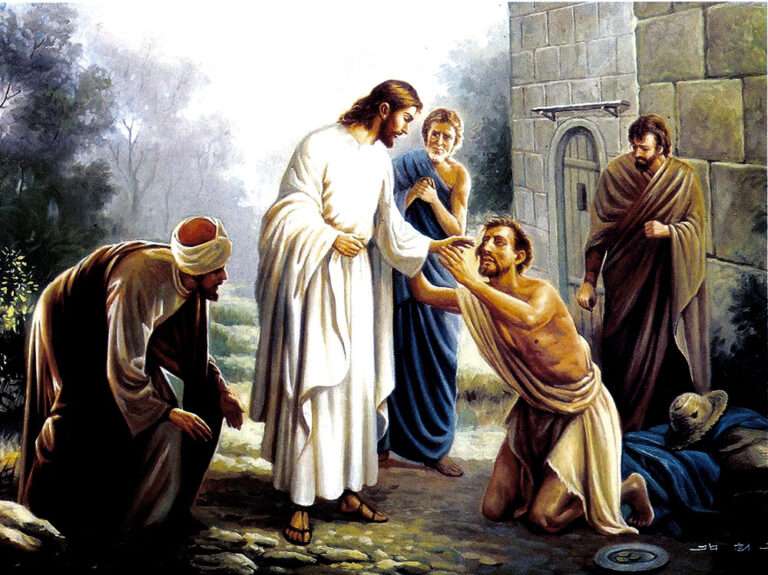
The concrete gestures of Christ—touching, breathing, anointing, mixing clay, washing and blessing—are not mere pious stagings. They reveal a profound theology rooted in the very structure of reality and in the history of salvation. In God made man, invisible grace is communicated by visible means, and the sensible world becomes a pathway to the divine.
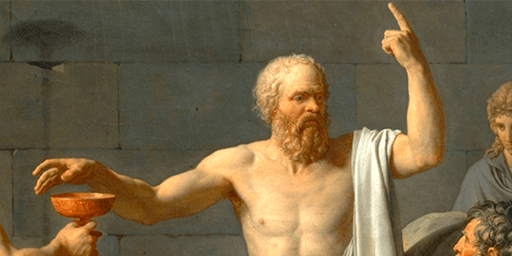
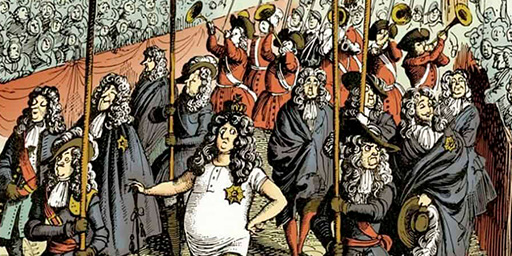
Rhetoric, the Sophists, and the Birth of Dialectic

In Ancient Greece, speech was both a tool of power and an instrument for the pursuit of truth. The fifth century BC, known as the “Age of Pericles”, marked the flourishing of Athenian democracy. In this context, the word logos assumed a central role in public life. It was through the force of speech that citizens persuaded, deliberated, defended causes, and rose politically.

Virtue and Moral Balance

If we were to reflect on ethics and divide it into two great fields of virtues, we would probably follow Aristotle, distinguishing them into intellectual and moral. This distinction is fundamental because it shows that moral excellence is a progressive construction.

What does the human being seek?

Whether in the arts, science, professional life or family life, all our actions stem from a desire to attain that which makes us happy. In other words, everything the human being does is, even if unconsciously, a search for happiness.…